Quick Answer
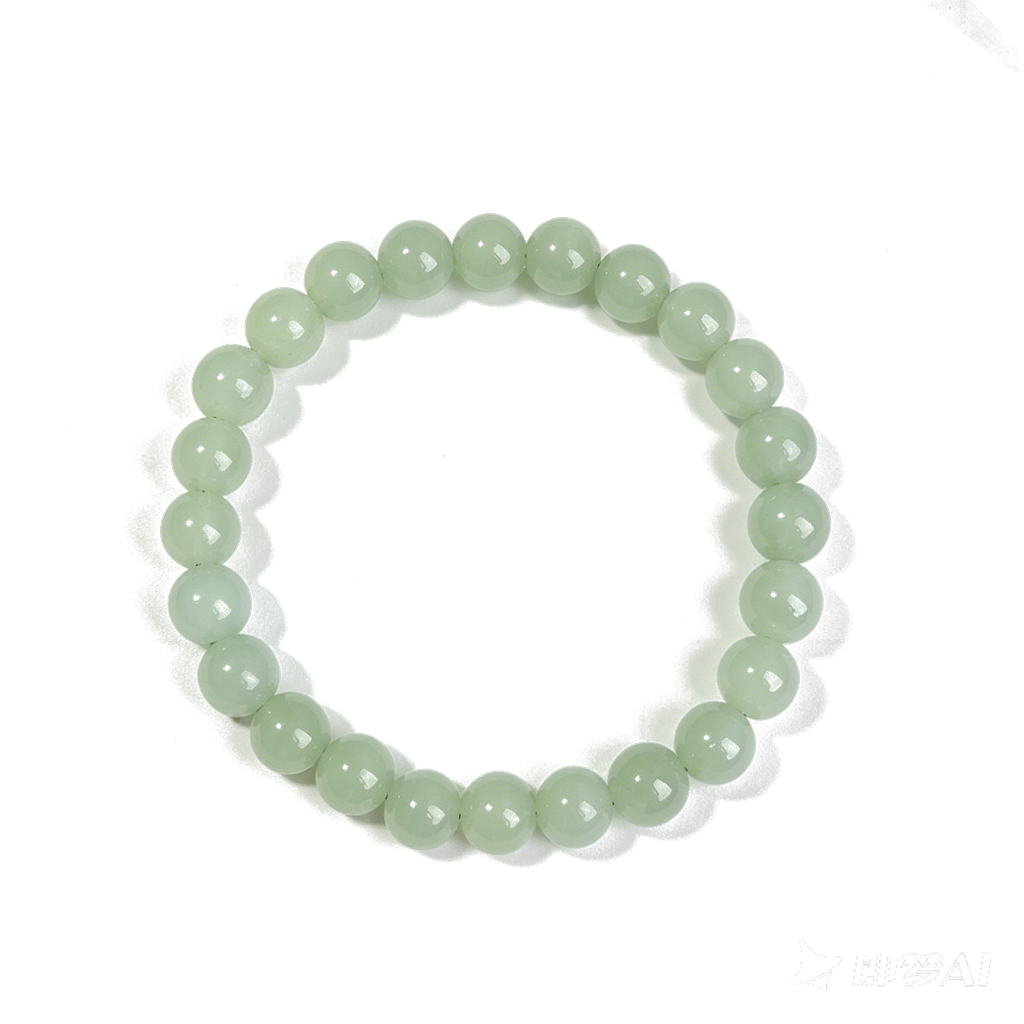
A good green aventurine bracelet should be natural and undyed, with an even color and visible mica shimmer. The beads should be uniform in size, and the bracelet should fit your wrist comfortably. This guide covers everything to check before you buy.
1. What Makes a Good Green Aventurine Bracelet?
When you pick up a green aventurine bracelet, there are three things to look at first: color, shimmer, and whether it’s dyed.
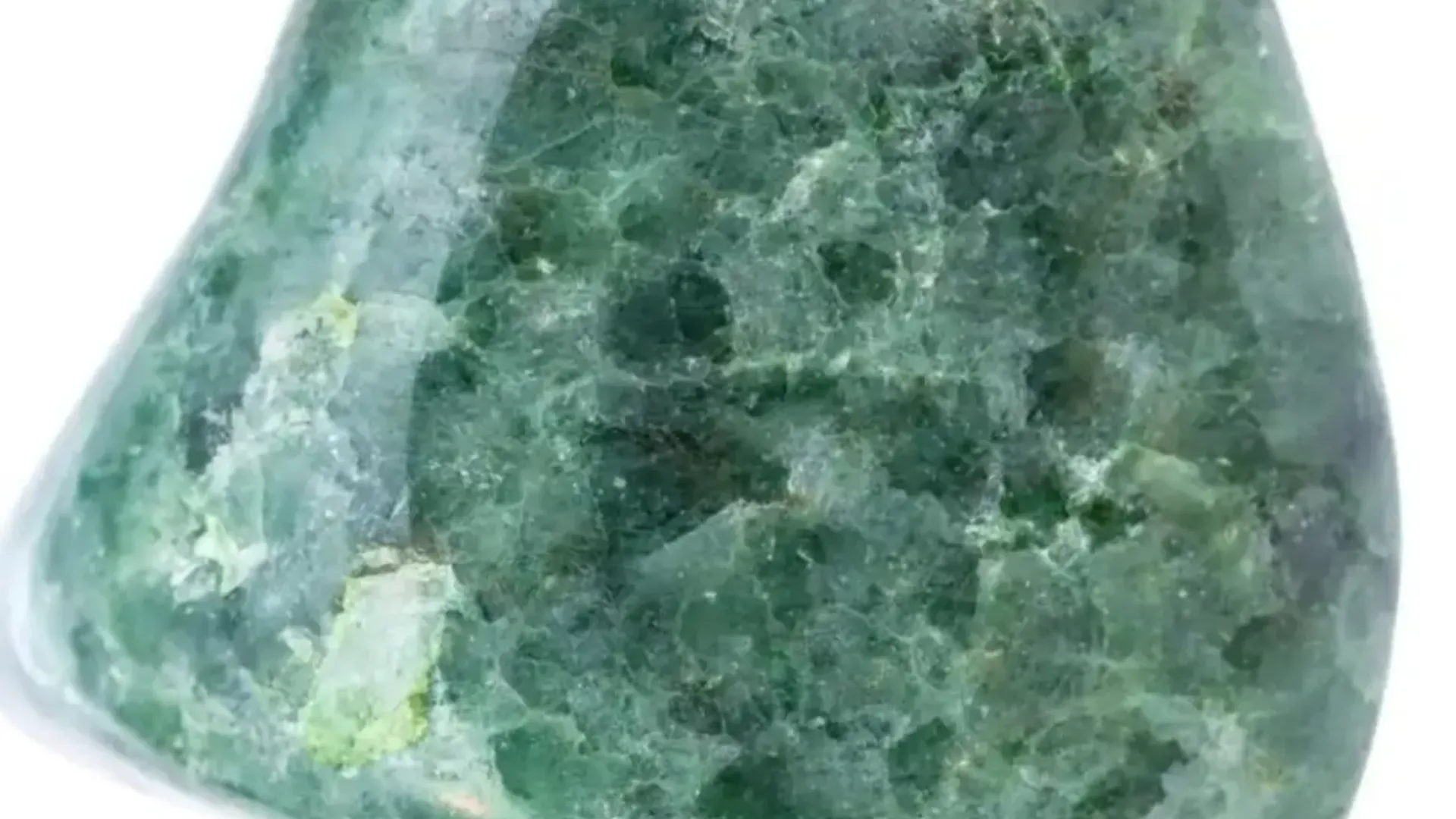
Green aventurine is a variety of quartz. Unlike amethyst, which forms as a single crystal, green aventurine is a dense quartzite — a solid mass of quartz scattered with countless tiny flakes of fuchsite mica. Those flakes are what give the stone its green color and its sparkle.
Color: Good green aventurine shows a soft, apple-green to deep-green tone. The color is even, with a slight gray or misty quality — not harsh or overly bright.
Shimmer: The signature feature of green aventurine is aventurescence — when you turn the stone, the tiny mica flakes inside reflect light and create scattered sparkles. Imagine thousands of tiny mirrors embedded in glass. As you rotate the stone, light bounces off them from different angles, producing that fine, scattered glimmer.
Beads: Look for uniform size, smooth surfaces, and no visible cracks or chips.
If you’d like to go deeper into the meaning and symbolism of green aventurine, see our Green Aventurine Meaning Guide.
2. Natural vs. Dyed: How to Tell
Quick answer: Natural green aventurine has subtle color variation and visible mica shimmer. Dyed stones look unnaturally uniform, have no shimmer, and appear white inside when held to light.
In recent years, complaints about dyed and irradiated crystal jewelry have risen sharply — up by more than 60%. Many buyers report fading, color bleeding, or even stained skin after wearing a bracelet for a few weeks.
Natural Green Aventurine
Feature | Natural Green Aventurine |
|---|---|
Color | Varies from bead to bead, with soft transitions and a slightly misty tone |
Shimmer | Fine, scattered mica sparkle that appears when the stone is turned |
Light test | Color comes from within; mica inclusions are evenly distributed throughout the quartz |
Feel | Cool and solid |
Dyed Green Aventurine
Feature | Dyed Stone |
|---|---|
Color | Too bright, too uniform — looks “copy-pasted” |
Shimmer | Little to none, because dye adds color but not mica flakes |
Light test | Color sits on the surface; the inside looks pale or white when backlit |
Bead holes | Dye may pool around the holes |
Four At-Home Tests
Test 1: Alcohol swab
Use a white cotton swab dipped in rubbing alcohol. Wipe it gently inside a bead hole or on an inconspicuous spot. If the swab picks up color, the stone is dyed. This is the most direct and reliable test.
Test 2: Backlight
Hold the bead up to a strong light. Natural green aventurine shows color coming from within, with mica inclusions distributed evenly through the quartz. Dyed stones show color concentrated on the surface, while the inside looks pale or white.
Test 3: Look for shimmer
Turn the bead in natural light. Natural green aventurine shows fine, scattered sparkles. Dyed quartz has no such shimmer, because the dye contains no mica flakes.
Extra test: Warm water soak
Soak the bracelet in warm water for 30 minutes. If the water takes on color, the stone is dyed.
At Flow Of Elements, we only use natural, undyed green aventurine. Every bead is selected for consistent color. If you ever receive a bracelet that doesn’t meet your expectations, we offer a 30-day return policy.
3. Bead Size, Cord & Fit
Quick answer: 4mm is delicate and good for stacking; 6mm is the most versatile; 8mm has more presence. Stretch cord is easy for daily wear; a clasp feels more refined. If you’re between sizes, size up.
Bead Size
Size | Character | Best for |
|---|---|---|
4mm | Delicate and light | Stacking, subtle everyday wear |
6mm | Most versatile | Wearing alone or stacking |
8mm | More weight and presence | Those who prefer a bolder feel |
10mm+ | Strong presence | Those who like larger beads |
Stretch Cord vs. Clasp
Type | Pros | Cons | Best for |
|---|---|---|---|
Stretch cord | Easy to put on and take off | May weaken over time | Daily wear |
Clasp | More refined, longer-lasting | Requires fastening; harder with one hand | Occasional wear |
How to Measure Your Wrist
Use a soft tape measure just below your wrist bone. If you don’t have one, wrap a piece of string around your wrist, then measure the string with a ruler.
Our sizes:
- S: fits wrists 5"–6" (approx. 12.7–15.2 cm)
- M: fits wrists 6"–7" (approx. 15.2–17.8 cm)
- L: fits wrists 7"–8" (approx. 17.8–20.3 cm)
If you’re between sizes, size up. It will be more comfortable. See our Size Guide for details.
4. How to Wear & Care for Your Bracelet
Quick answer: There’s no strict rule for which wrist to wear it on — choose whichever feels comfortable. For care, avoid water, chemicals, and prolonged sun; store separately and wipe with a soft cloth.
Which Wrist?
Many people wonder whether to wear a bracelet on the left or right wrist. In traditional practice, the left wrist is associated with receiving energy, and the right wrist with projecting it outward. But there is no strict rule — wear it on whichever wrist feels comfortable and convenient. Intention matters more than position.
Care Tips
Item | Recommendation |
|---|---|
Water | Avoid prolonged soaking. Hot water and soap can weaken the stretch cord |
Perfume / cosmetics | Apply perfume before putting on the bracelet |
Cleaning products | Avoid contact with harsh chemicals, alcohol, and ultrasonic cleaners |
Storage | Store separately in a soft pouch to prevent scratches |
Cleaning | Wipe gently with a soft, dry cloth. For deeper cleaning, use mild soapy water, then rinse and dry |
Sunlight | Avoid prolonged direct sun, which may fade the color |
For the full care method, see our Crystal Bracelet Care Guide.
5. Who Is This Bracelet For?
Quick answer: It suits people starting a new chapter, those who love natural green jewelry, and anyone drawn to the Wood element in the Five Elements framework.
- Starting a new chapter: Green aventurine is traditionally associated with opportunity, growth, and new beginnings. It is often chosen by people beginning a new job, a new project, or a new habit.
- Lovers of natural, green jewelry: The soft green tone is easy to wear every day — noticeable but not loud.
- Anyone who wants a daily reminder: This isn’t an object to keep on a shelf. It’s a bracelet made to be worn.
- Those drawn to the Wood element: In the Five Elements system, green aventurine belongs to Wood — the quality of upward growth and steady progress.
If you’re not sure which element fits you, try our Element Quiz.
7. Our Green Aventurine Bracelet
natural green aventurine beads, strung on durable stretch cord. Natural, undyed, and selected for even color .